
UHNM secures funding to strengthen end of life care for patients and families
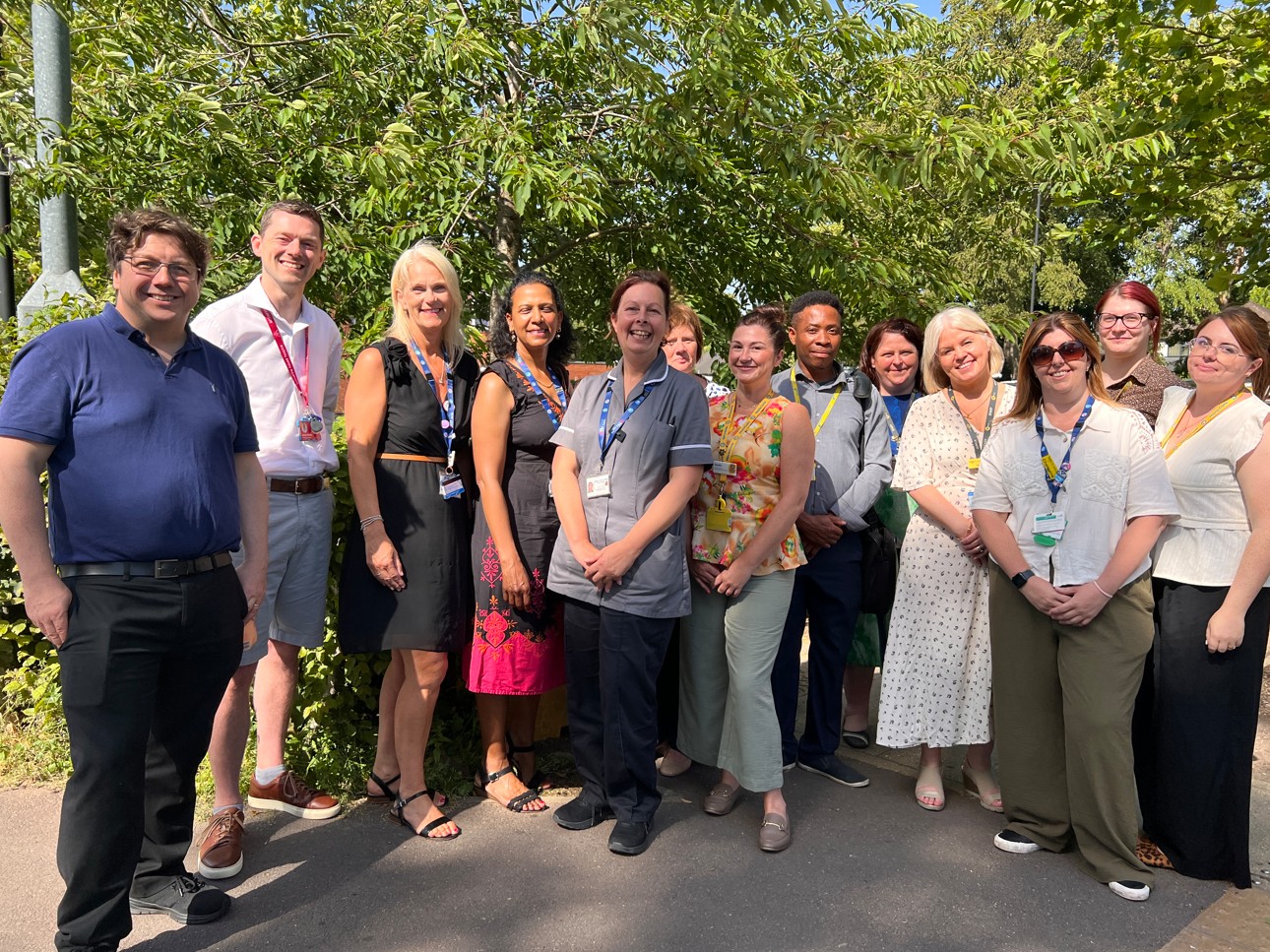
University Hospitals of North Midlands NHS Trust (UHNM) has secured new funding to enhance specialist palliative and end of life care for patients and families across Staffordshire and Stoke-on-Trent.
The investment, supported by NHS Staffordshire and Stoke-on-Trent Integrated Care Board (ICB) and the UK’s leading end of life charity Marie Curie, will strengthen UHNM's innovative Specialist Palliative Care Team (SPCT) Front Door model.
The programme will improve support for patients with complex palliative and end of life care needs, helping ensure they receive compassionate, personalised care and support at some of the most important moments in their lives.
As part of the initiative, Marie Curie will co-invest alongside NHS funding to increase specialist palliative care nursing capacity over the next two years, enabling UHNM to expand its service to seven-days a week across both Royal Stoke University Hospital and County Hospital, Stafford.
The partnership will also support workforce development, staff education, independent evaluation as well as access to Marie Curie's national expertise in palliative and end of life care and support.
The service will place specialist palliative care expertise within the emergency departments at both hospitals, helping identify patients who may benefit from palliative care support earlier in their healthcare journey.
This will enable earlier conversations about patients' wishes and preferences, more proactive care planning and better coordination between hospital, community and hospice services.
Caroline Meredith, Associate Chief Operating Officer said: "This investment represents an important step forward in how we support patients with palliative and end of life care needs.
“By combining NHS investment with Marie Curie's nationally recognised expertise, we have a unique opportunity to strengthen our specialist palliative care service, ensuring more patients are identified earlier and receive the right care, in the right place, at the right time. Ultimately, this is about improving the experience of patients and families and supporting people to make informed choices about their care."
Charmaine Butcher, UHNM End of Life Clinical Lead and Palliative Care Advanced Practitioner said: "This partnership enables us to expand our specialist team and build on our innovative care model in our emergency departments, helping improve patient and family experience, support personalised care planning and strengthen the connections between hospital, community and hospice services.
“By working together, we can provide more proactive, coordinated care and support for some of our most vulnerable patients, while helping ensure their wishes and priorities remain at the centre of decision-making."
Coreen Astle, Marie Curie Acting Associate Director of Strategic Partnerships & Services said: “Many people nearing the end of life rely on ambulance and emergency services during periods of crisis, but most are not known to palliative care services. Sadly, this often leads to delays in receiving the correct care which can be deeply distressing for the individual, their loved ones, and the staff who care for them.
“This new partnership comes at a pivotal time, as we know that that nearly 1 in 3 people currently die without the end of life care they need and that there is a high demand for palliative care support in hospitals. 1 in 8 people who died in England and Wales in 2023 spent more than 30 days in hospital during their last three months of life, and almost half visited the ED once or more.
"Our aim with this new service is to help identify patients with palliative care needs earlier during emergency admissions, support clinical decision-making and coordinate the most appropriate care, ensuring they are treated with dignity and that their wishes are met.
“Across other partnerships we’ve already seen the huge difference integrated palliative care expertise can make to the experiences of patients at end of life, and their families, so we’re very excited to get this project off the ground.”