
New UHNM research trial could help patients with painful leg condition walk more easily
Patients at University Hospitals of North Midlands NHS Trust (UHNM) are taking part in a major international trial investigating whether a new weight loss tablet could help people with a painful leg condition to walk more easily.
The ATTAIN-PAD study is the first commercial clinical trial to be delivered by UHNM’s vascular team and is investigating orforglipron, a new oral weight loss medication can help people with peripheral artery disease (PAD).
The Phase 3 trial is looking at whether the medication can help people with PAD walk more easily reducing the pain and cramping caused by reduced blood flow to the legs.
Professor Arun Pherwani, Consultant Vascular Surgeon and Principal Investigator for the trial at UHNM, said: “PAD causes narrowing or blockages in the arteries supplying the legs which can make walking painful and have a significant impact on patients’ lives.
“Over the last two years we’ve made huge progress in vascular research at UHNM taking part in more national and international studies and giving more patients the opportunity to get involved.
“None of this is possible without the wider UHNM research team working with our clinical teams, they’re brilliant and deserve a huge amount of credit.”
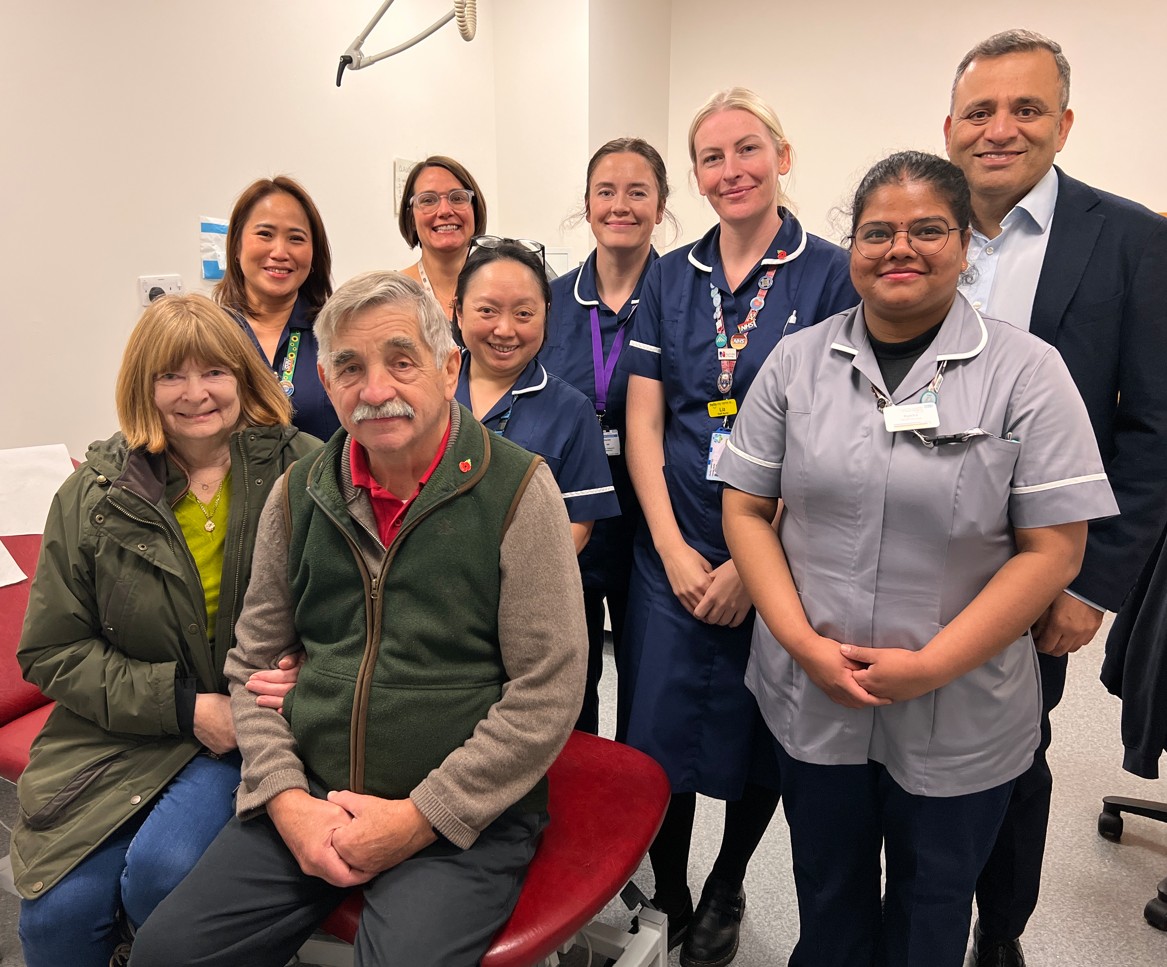
Michael Rowley, 79, is one of the patients taking part at the Royal Stoke University Hospital.
The retired fleet sales director and grandfather-of-six from near Shrewsbury first began experiencing problems four years ago when he noticed he could no longer walk as far as he used to.
Michael said: “I suddenly felt that I couldn't walk as far as I could previously, especially if I had to put a lot of effort into it the muscles in my legs would cramp up.
“It absolutely had an impact on my quality of life, at one point I just couldn't get around the place at all.”
Minnie Gellamucho, Lead Research Practitioner at UHNM, said: “This is our first commercial trial for vascular and the teamwork, dedication and commitment from everyone involved has been fantastic.
“You can't manufacture that passion and it’s brilliant for our patients and for us as a team.”
Michael said: “I've always believed that you should support the NHS where you can. I had a bypass operation in 2014 and since then I've been on one trial and this is my second.
“I just think you should give back what you can, you've been able to benefit from trials that people did before you.”