Skip to main content Skip to footer

Faecal Elastase

Test Alias / Common Abbreviations


Pancreatic elastase


Department


Biochemistry 

Leighton Hospital 


Pre-analytical information  


Add-on requests: Not accepted

Minimum Retest Interval: 3 months


Sample  Collection instructions:


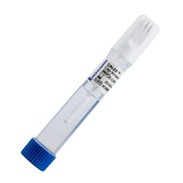
A stool sample should be collected using a Calex collection device. The collection kit includes detailed instructions on how to do this or can be accessed here.

Blue topped stool pots and other plain containers cannot be accepted.


Sample Transport & Stability Information:


Samples should be sent to the laboratory on the same day as collection to ensure sample integrity is maintained.  If a delay in receipt of the sample is anticipated, please contact the laboratory to discuss storage requirements.


Stable in Calex device for 7 days at room temperature or 4-8oC. 

For generic information on test requesting, sample labelling and packaging, and sample transport – see the frequently asked questions here.


Sample Type, Container & Volume

Stool sample in Calex collection device


Turnaround Time

Based on receipt at testing site.
Within 7 days



>200 ug/g

Normal.

100-200 ug/g

Moderate to mild exocrine pancreatic insufficiency.

<100 ug/g

Severe exocrine pancreatic insufficiency.

Results outside the reference range do not necessarily indicate disease. Similarly, results within the reference range do not preclude abnormality. Please contact the Duty Biochemist for discussion of individual patient results.

Investigation of suspected pancreatic exocrine insufficiency. Clinical features include: diarrhoea, steatorrhoea, weight loss, abdominal pain or bloating, and malnutrition. Any disease that affects pancreatic tissue can cause pancreatic insufficiency with most common causes being cystic fibrosis, acute and chronic pancreatitis and pancreatic cancer.

Watery stool samples can give falsely low results. Collect sample from a formed stool specimen if possible.

There are a number of non-pathological factors that can influence levels of specific analytes, giving falsely elevated or reduced levels. If you require more information regarding the effects of these factors on the individual test results, please contact the Duty Biochemist.

Reviewed / Updated On: 16/12/2025