Test Alias / Common Abbreviations
N/A
Department
Biochemistry (referred to external laboratory):
Stoke & County Hospitals samples analysed at – Newborn Screening & Biochemical Genetics, Paediatric Laboratory Medicine, Birmingham Children's Hospital, Whittall Street, Birmingham, B4 6DH.
Leighton & Macclesfield Hospitals samples analysed at - Willink Biochemical Genetics Laboratory, Genomic Diagnostic Laboratories, Manchester Centre for Genomic Medicine, 6th Floor, Pod 1, St Mary's Hospital, Oxford Road, Manchester, M13 9WL.
Pre-analytical information
Add-on requests: N/A
Minimum Retest Interval: N/A
Sample Collection instructions:
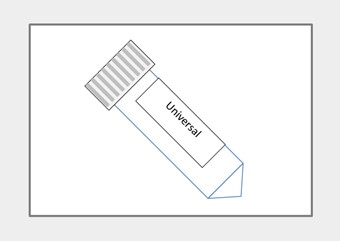
Spot urine sample collected into a plain white-top universal tube. A repeat sample may be requested if sample is very small or dilute.
The preferred sample type for investigating primary amino acid disorders is plasma.
Sample Transport & Stability Information:
Samples should be sent to the laboratory on the same day as collection to ensure sample integrity is maintained. If a delay in receipt of the sample is anticipated, please contact the laboratory to discuss storage requirements.
For generic information on test requesting, sample labelling and packaging, and sample transport – see the frequently asked questions here.
Sample Type, Container & Volume
Adult and paediatric sample type:
Turnaround Time
Based on receipt at testing site.
Within 8 weeks