
UHNM’s anticoagulation service marks 10 years of care for patients across Staffordshire
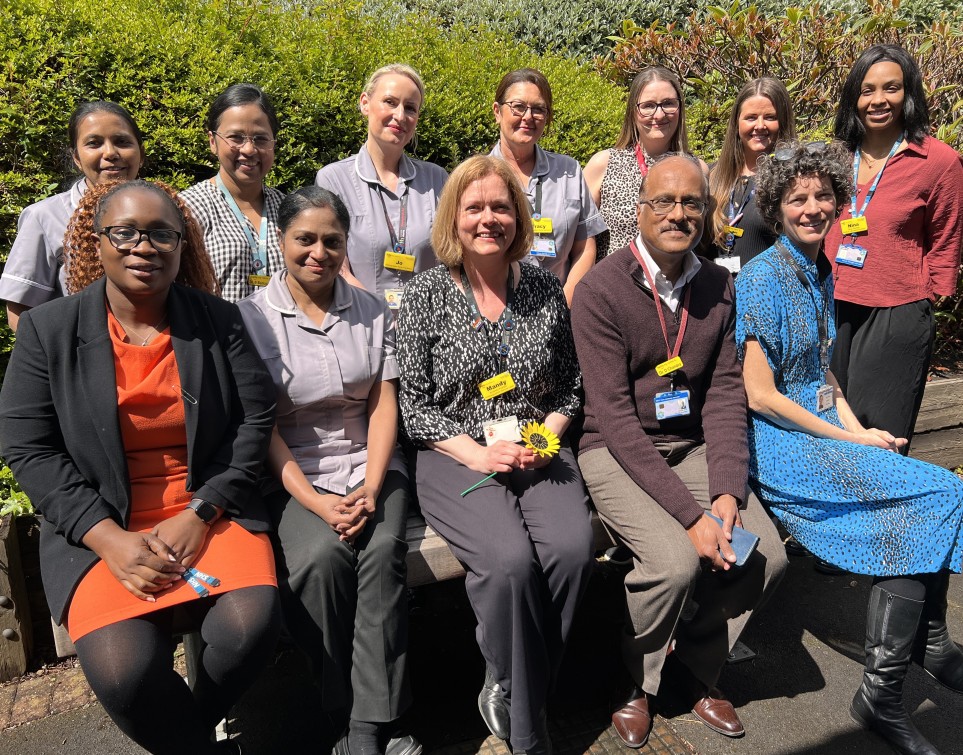
A specialist service supporting thousands of patients who need blood-thinning medication is celebrating ten years at University Hospitals of North Midlands NHS Trust (UHNM).
The Staffordshire Thrombosis and Anticoagulation Centre (STAC) was created to make it easier for patients across Stoke-on-Trent and Staffordshire to access anticoagulation care.
As well as providing specialist hospital support, the team introduced community clinics and a same-day deep vein thrombosis (DVT) diagnosis service, helping patients get treatment more quickly and closer to home.
The service currently supports more than 5,000 patients each week across 22 community locations and works with 11 GP centres, alongside specialist inpatient and outpatient care.
Amanda Pointon, anticoagulation service manager, said: “Ten years ago, many patients who needed anticoagulation monitoring had to travel into hospital for regular blood tests and clinic appointments. Our vision was to create a service that was based at Royal Stoke but delivered out in the community.
“That meant patients could attend clinics closer to where they live rather than always travelling into hospital. For many people, that has made managing their treatment much easier.
“When we started, we were mainly supporting patients on warfarin, which needs careful monitoring. Over time newer medications have become available that don’t always need the same level of testing.
“We’ve adapted alongside those changes and developed a strong nurse-led service supported by a wider multidisciplinary team. Today that includes nurses, biomedical scientists, associate practitioners and administrative staff who all play an important role in supporting our patients.”
The service continues to be clinically led by Consultant Haematologists Dr Deepak Chandra and Dr David Sutton, who have supported the development of new specialist services, including a Cancer Associated Thrombosis clinic for patients who develop blood clots linked to cancer.
The team has also introduced study days to support learning for clinicians involved in anticoagulation care.
Amanda said: “The service has faced a number of challenges, including continuing to support patients during the COVID-19 pandemic. Patients on warfarin still needed regular monitoring during COVID, so our teams had to adapt quickly. We carried out more home visits for patients who were isolating to make sure they could continue receiving safe care.
“I’m incredibly proud of the team and the way they always put patients first.”
Amanda paid tribute to former colleague Sharon Acton, who played an important role in developing the service.
She said: “Sharon was passionate about this service and very proud of what the team achieved. It’s important to recognise the contribution she made in helping build the service we have today.”
“We are very proud of what the team has achieved over the past ten years. The service has grown and adapted alongside changes in medicine, and we have always focused on doing what is safest and best for our patients.
“Our ambition now is to continue developing the service so more patients across the region can benefit from the same high-quality specialist care.”