
UHNM named top UK recruiter for national kidney trial in November
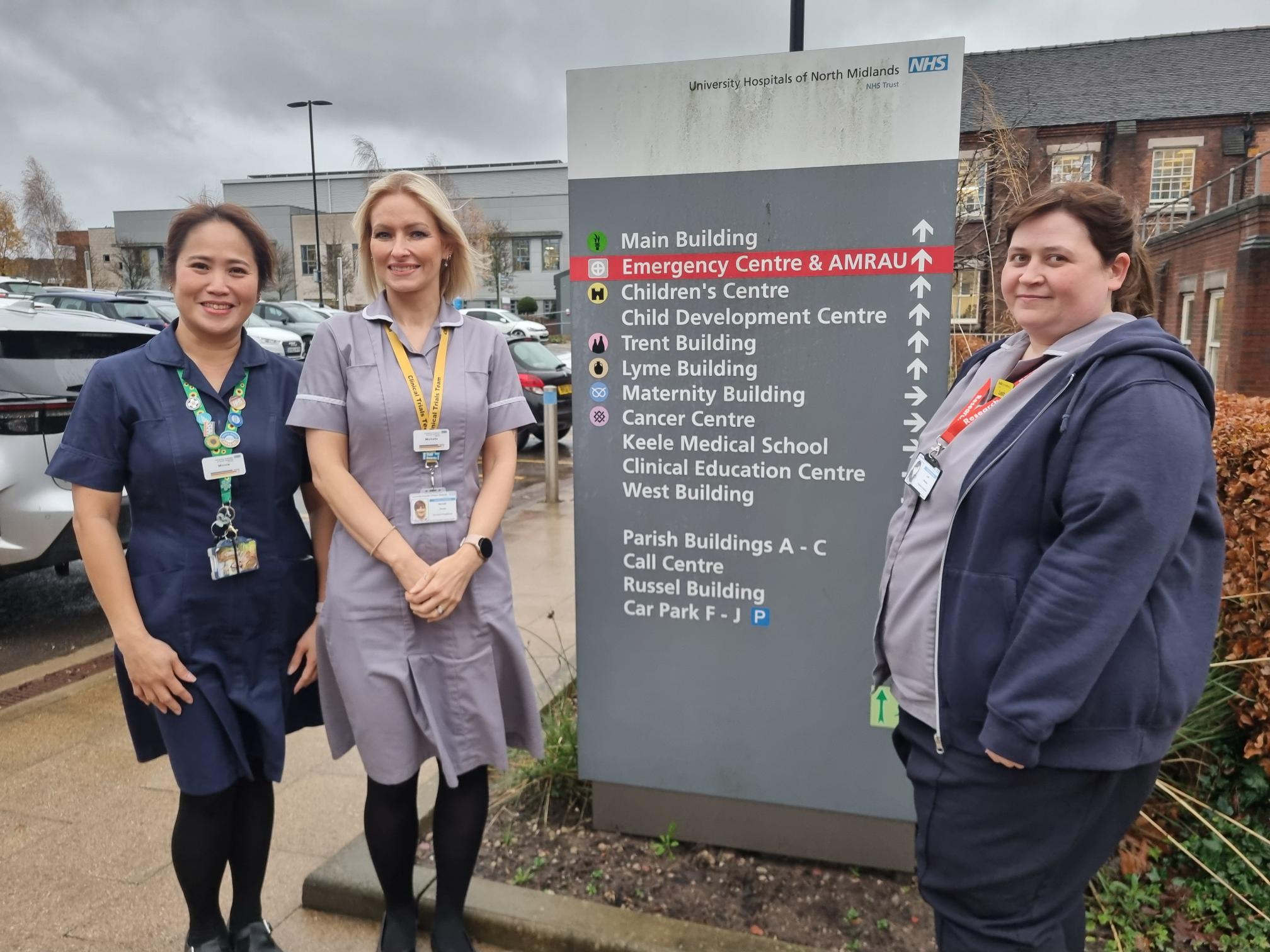
University Hospitals of North Midlands NHS Trust’s (UHNM) Research and Innovation (R&I) department has received national praise after achieving the highest patient recruitment in the UK for a major clinical trial in November.
The R&I department successfully recruited five patients in just five working days, significantly exceeding the expected target of one to two patients per week for the KID (Kidney Injury Using Carbon Dioxide) trial.
The KID Trial, sponsored by the University of Leicester and funded by the National Institute for Health and Care Research (NIHR), is a national study exploring whether carbon dioxide contrast can reduce the risk of kidney damage in patients undergoing endovascular revascularisation, a minimally invasive procedure to restore blood flow to blocked or narrowed arteries.
Michelle Davies, research practitioner, said: “We worked closely with our radiologists to introduce the trial, support the consenting process, and coordinate all aspects of patient involvement from data collection and clinic visits to blood sampling and daily screening of lists to identify those potentially eligible. As this type of screening was new for us, we spent time with the team in Interventional Radiology (IR) to understand how best to embed recruitment safely and smoothly.”
Minerva Gellamucho, lead research practitioner, said: “Our R&I teams deserve huge credit, we were working with a new specialty and building new ways of working, but UHNM’s IR and vascular teams have been extremely supportive. This success reflects the incredible teamwork between our research practitioners and the IR and vascular consultants. We embraced new processes and delivered beyond expectations to bring innovative research to our patients.”
Recruitment for the trial began on 10 November with a national target of 174 patients, and to date 103 participants have been enrolled across the UK, with UHNM recruiting the milestone one hundredth patient.