
UHNM-developed digital tool helps speed up discharges for hundreds of patients in first year
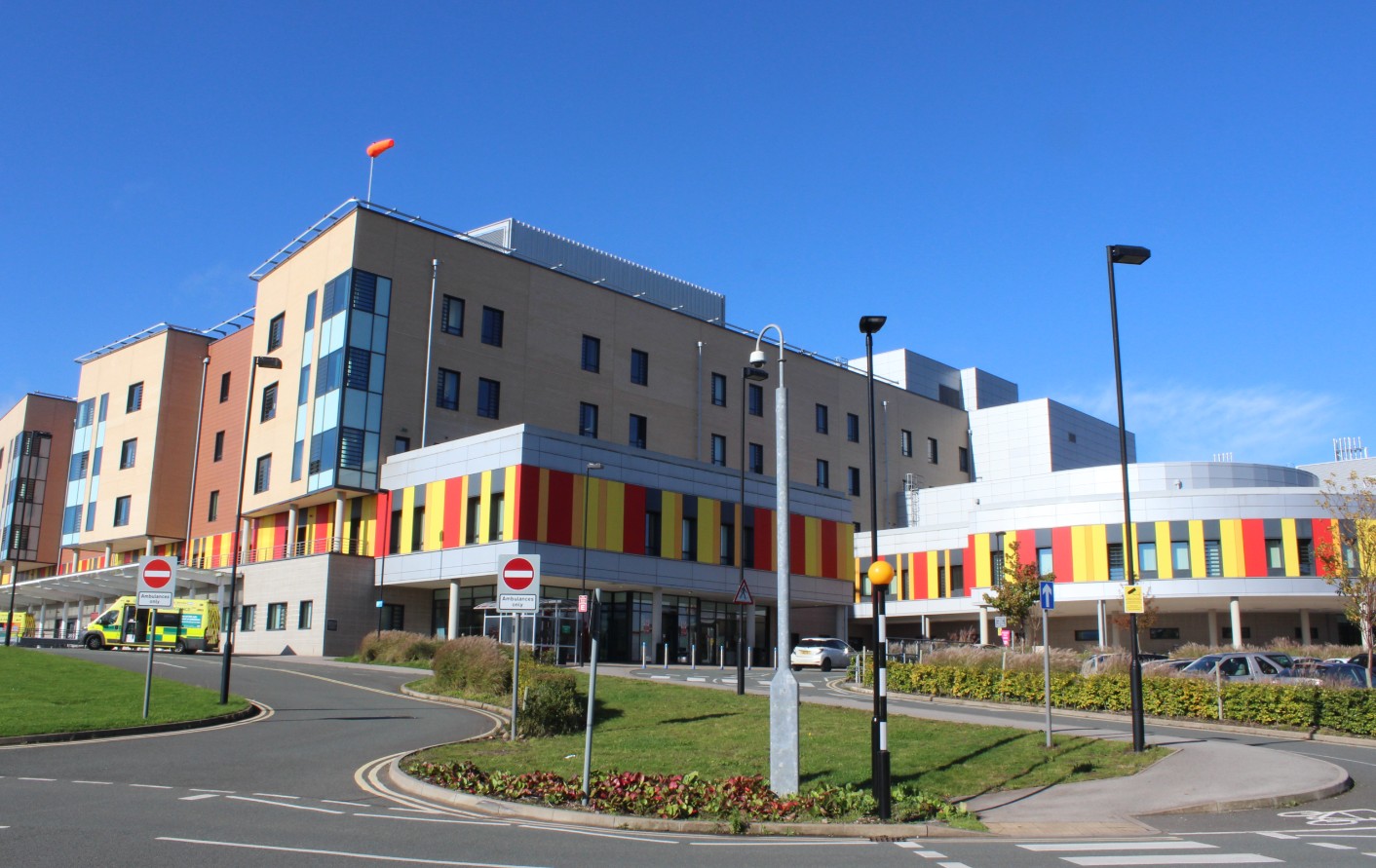
Hundreds of patients at University Hospitals of North Midlands NHS Trust (UHNM) have benefited from faster discharges and more joined-up care since the launch of an in-house developed digital tool a year ago.
The High Risk of Delayed Transfer of Care (HRD) tool uses anonymised real-time information from GP’s, social care and hospital records to flag patients who may face a longer stay, such as those with complex care needs or living alone and requiring additional support, helping staff to ensure patients receive timely care and interventions reducing the risk of delayed discharges.
Since going live at UHNM in early December 2024, the HRD tool has helped to reduce the average length of stay by 1.2 days in areas including UHNM’s emergency department (ED).
Dr Andrew Davy, GP lead for research and development in ED, said: “By giving clinicians real-time insight into patient needs, the tool is improving flow, reducing delays, and strengthening collaboration across the local health system.
“Teams come together every day to review cases identified by the tool, bringing together specialist expertise from across our services to support safer, more efficient patient care. This progress has been made possible through strong partnership working between therapies, front of house frailty team, virtual ward team, UHNM’s Integrated Discharge Hub (IDH) and palliative care and respiratory teams.”
He added: “HRD has allowed us to review hundreds of patients, including almost 850 by the ED front of house frailty team and over 200 therapies patients, helping to reduce their length of stay by over a day on average. This timely access to information allows the right teams to step in sooner, easing pressure on beds and improving patient flow. It’s helping us rethink discharge planning and work more closely with local authorities and community partners to ensure patients can return home safely and efficiently.”
The HRD tool was developed in-house by UHNM’s Business Intelligence Service in partnership with local NHS providers, the Integrated Care Board, Graphnet, Keele University, the GP Federation and supported by UHNM Charity, National Institute for Health and Care Research (NIHR) Applied Research Collaboration West Midlands and North Staffordshire Medical Institute funding.
Charmaine Butcher, palliative care nurse practitioner, said: “Since HRD was introduced we’ve been able to review 175 palliative patients and double referrals to our team within just a few months. The dashboard has strengthened our collaborative working with community providers, allowing us to identify patients who need support earlier. This is already prompting discussions about expanding the palliative care service and future virtual wards, ensuring patients and families receive timely, seamless, and compassionate care when it matters most.”
Karen Jackson, COPD clinical nurse specialist, said: “A year ago, our team was spending several hours each day searching wards to identify patients, which was a significant time commitment. The HRD tool has completely transformed how we work by providing instant visibility of patients with chronic obstructive pulmonary disease (COPD) who need support.
“We are now identifying a similar number of patients as last year in a far more efficient way. It has been a real game changer and has made an extraordinary difference to our service.”
Trevor Mayisva, advanced clinical practitioner, said: “Being part of the HRD workstream has allowed us to review 254 Acute Care at Home patients and contribute to improved admission avoidance, patient flow, service awareness and collaboration. Early improvements are already evident in efficiency, patient experience, and outcomes, reinforcing the value of this work.”
Thanks to additional capacity made possible thanks to the project, UHNM’s respiratory team has been able to launch a new clinic to review patients following a COPD flare-up that would normally require them to attend ED.
Katy Thorpe, chief operating officer at UHNM, said: “Celebrating a year of HRD is about recognising the real difference this innovative tool is making for patients and staff, and shows how UHNM is leading digital innovation to deliver safer, more joined-up care for our patients and local community.”