
More than 100 patients diagnosed through UHNM’s first year of routine blood-borne virus testing
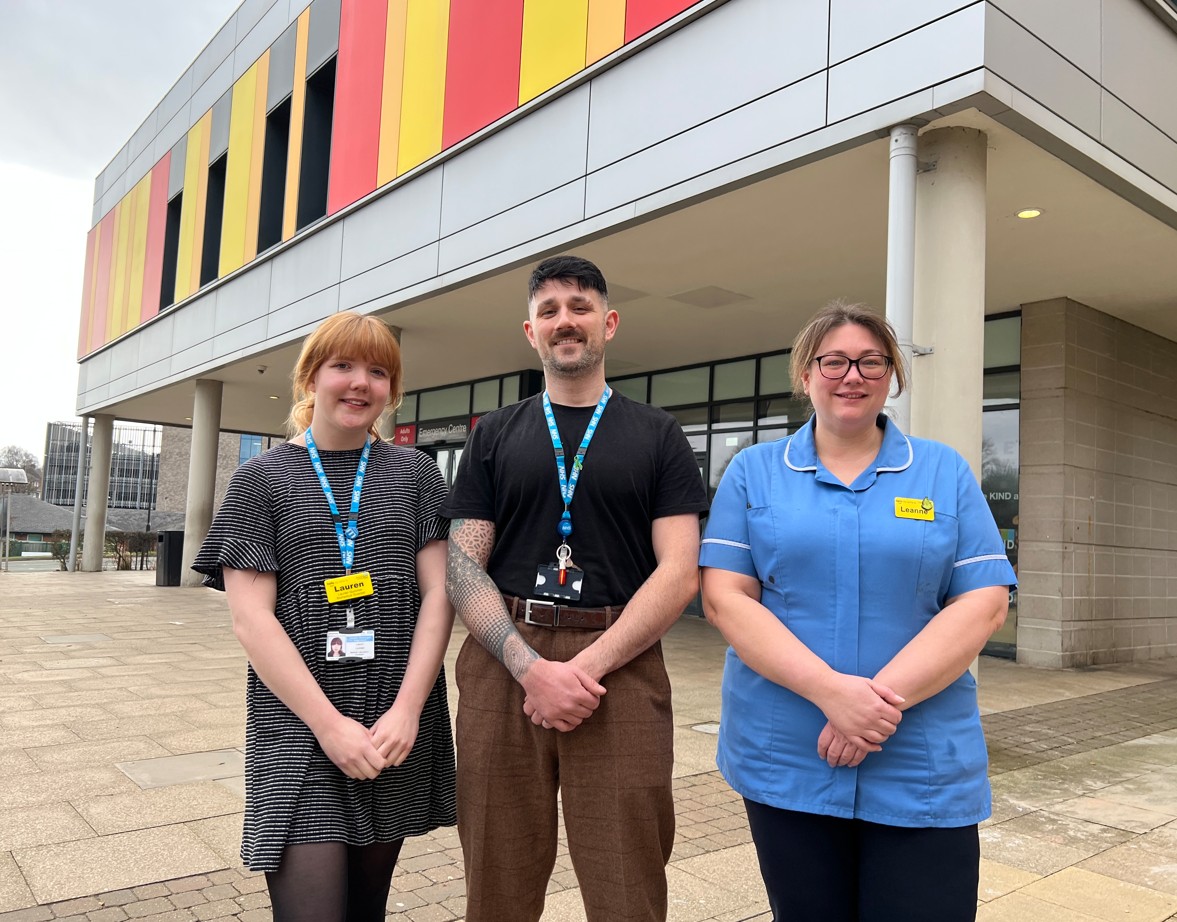
More than 100 patients who may otherwise have remained undiagnosed have been identified during the first year of a routine blood-borne virus (BBV) testing programme at University Hospitals of North Midlands NHS Trust (UHNM).
Since launching on 3 March 2025 at Royal Stoke University Hospital and County Hospital, Stafford, the initiative has tested more than 38,000 patients and is on track to reach 40,000 tests by its first anniversary.
The programme offers routine opt-out testing for HIV, hepatitis B and hepatitis C to patients over 16-years-old attending UHNM’s emergency departments (ED).
During the past 12 months, the initiative, which is funded by the National Institute for Health and Care Research (NIHR), has identified 70 new viraemic hepatitis C cases, 40 new hepatitis B cases and six new HIV cases not previously diagnosed.
In December it was announced that the programme had secured renewed national funding to continue for another two years, ensuring testing will run until 2029.
Dr Andrew Bennett, specialist doctor in emergency medicine, said: “Reaching almost 40,000 tests in just one year is a significant achievement and a testament to the commitment of our frontline ED teams, virology laboratories, hepatology department and colleagues behind the scenes. Most importantly, we have been able to diagnose more than 100 patients who were previously unaware they were living with a blood-borne virus.
“Early diagnosis is crucial and represents an opportunity for patients to begin treatment earlier, significantly improving long-term health outcomes and reducing the risk of onward transmission.”
Staffordshire has been chosen to take part in the programme as it has local authority areas with a high prevalence of HIV, with 2.2 cases per 1,000.
Data from 2021 suggests an estimated 4,400 people in the UK were living with an undiagnosed HIV.
Posters and leaflets are available in ED to inform patients about the testing. Patients not required to have a blood test during their visit will not be tested.
Debbie Lowe, associate directorate manager for emergency medicine, said: “This milestone shows what we can achieve when teams across UHNM work closely together. By making testing a routine part of care, we’re helping to spot infections earlier and reach people who might not otherwise come forward for screening.
“We’re really proud of everyone involved and are looking forward to building on this important work in the year ahead.”