
Checkout to Check-Up: Stoke-on-Trent Community Diagnostic Centre Welcomes First Patients in Former Supermarket
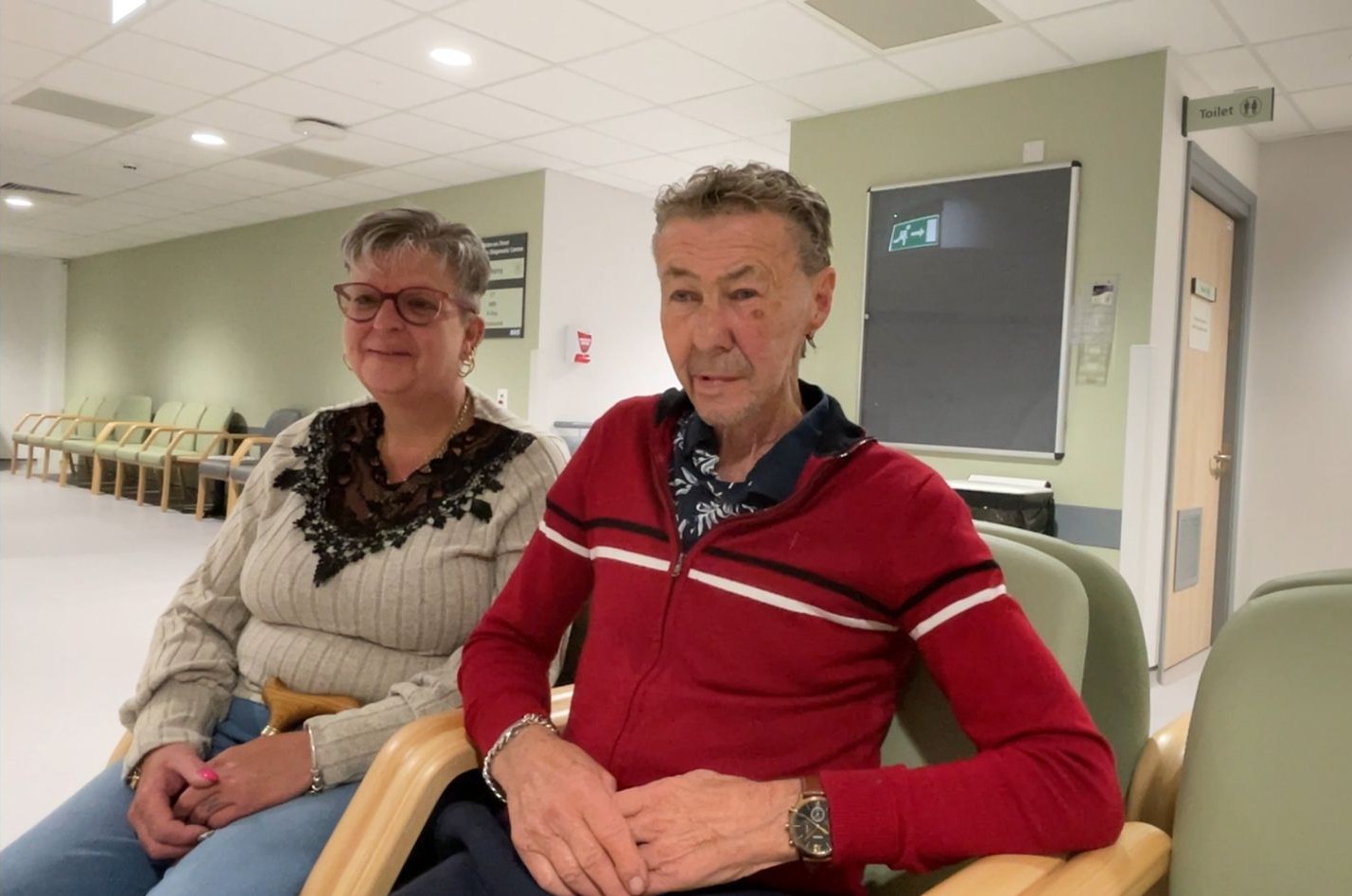
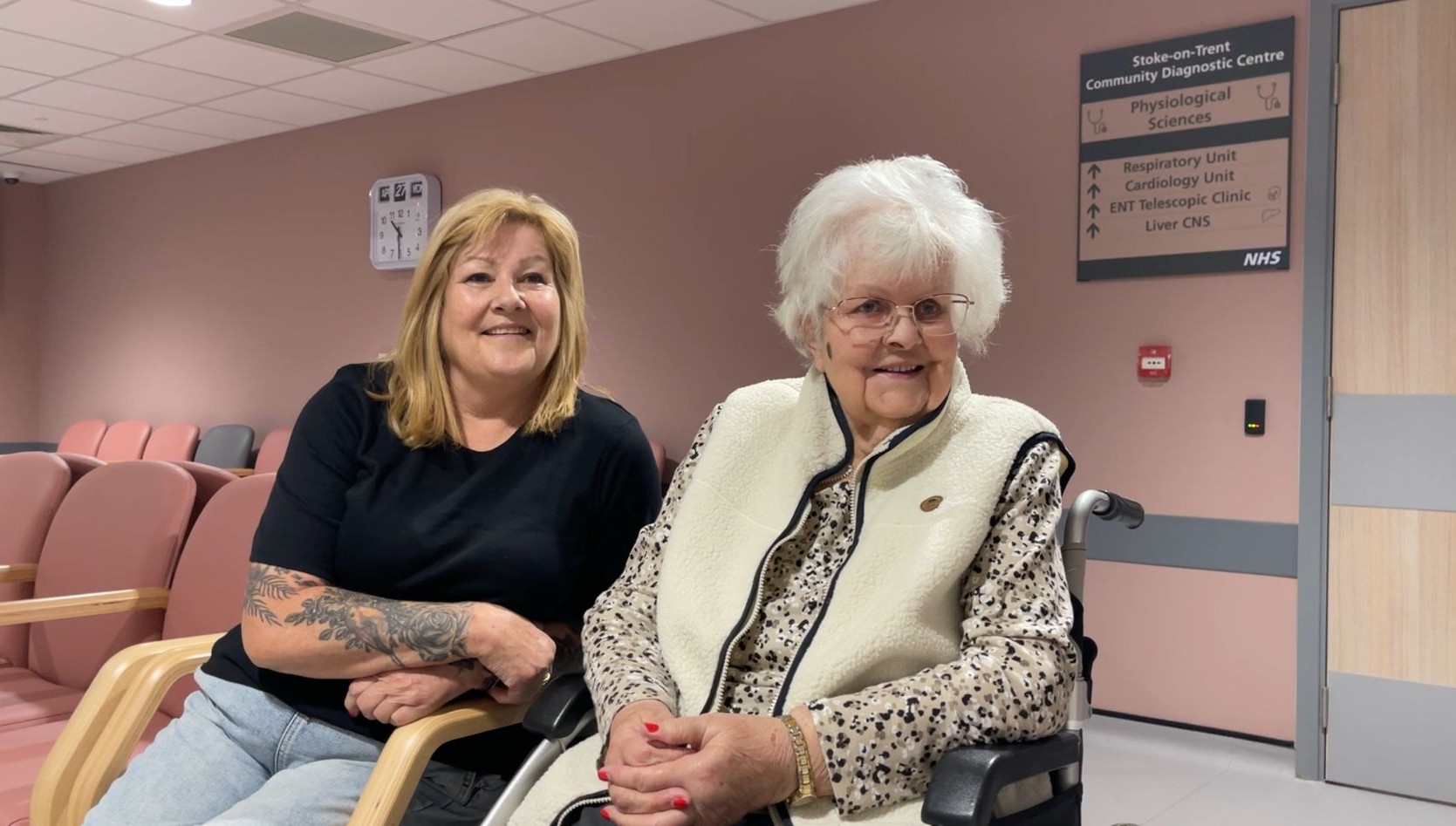
University Hospitals of North Midlands (UHNM) has officially welcomed its first patients to the new Stoke-on-Trent Community Diagnostic Centre, marking an important milestone in improving local access to vital diagnostic tests and scans.
The multi‑million‑pound Community Diagnostic Centre has been developed to provide patients with quicker, more convenient access to a wide range of diagnostic services closer to home, helping to reduce waiting times and ease pressure on local hospitals.
Neil Edwards, 71, from Blurton, who was welcomed as the centre’s first patient, said: “I came here for a scan on my lungs. The building is fantastic, very easy to get to and the parking is brilliant.”
He added: “I used to shop here when it was Sainsbury’s, it is now completely unrecognisable.”
Edna Jones, 89, from Cauldon Low, near Waterhouses, who attended as the centre’s second patient, said: “It’s absolutely brilliant, a lovely new building with easy parking and plenty of access. The staff have been fantastic.”
Dr Simon Constable, UHNM Chief Executive, said: “Welcoming our first patients to the new Stoke‑on‑Trent Community Diagnostic Centre in Hanley is a really important moment for UHNM and something that has been years in the making.”
He continued: “This is about making it easier for people to get the tests they need more quickly and more conveniently. It means earlier diagnosis, quicker access to treatment and a better overall experience for our patients, while also helping to reduce pressure on our hospital sites.”
Services available at the Stoke‑on‑Trent Community Diagnostic Centre include CT, MRI, X‑rays, ultrasound, blood tests, and physiological sciences, such as cardiology, respiratory and sleep testing. The centre will be open seven days a week, 12 hours a day, and will provide up to 180,000 tests and scans each year.
The Stoke‑on‑Trent Community Diagnostic Centre is part of the NHS’s wider commitment to transforming diagnostic services by delivering care in community settings, making it easier for people to attend appointments and receive timely results.